.png)
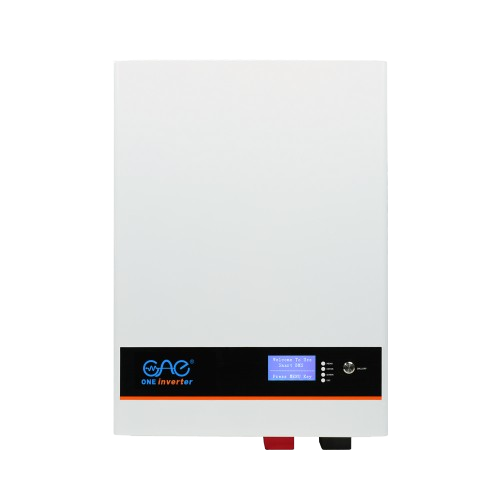
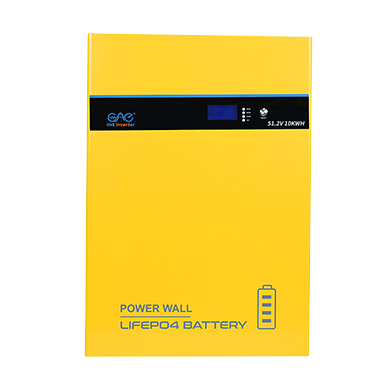
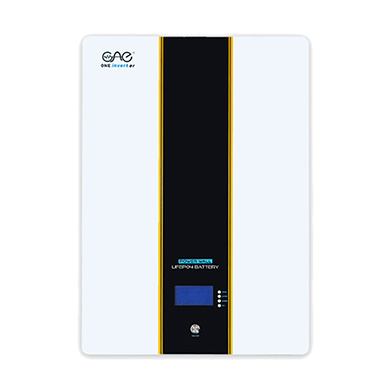

In recent years, solar power has become a popular energy solution for residential homes, offering an eco-friendly and cost-effective way to generate electricity. One of the most common components in home solar systems is the solar inverter, which converts the direct current (DC) electricity produced by solar panels into alternating current (AC) electricity, the type used by household appliances. Among the various types of solar inverters, solar string inverters are often the preferred choice for residential installations. Here’s why solar string inverters are perfect for residential solar systems.
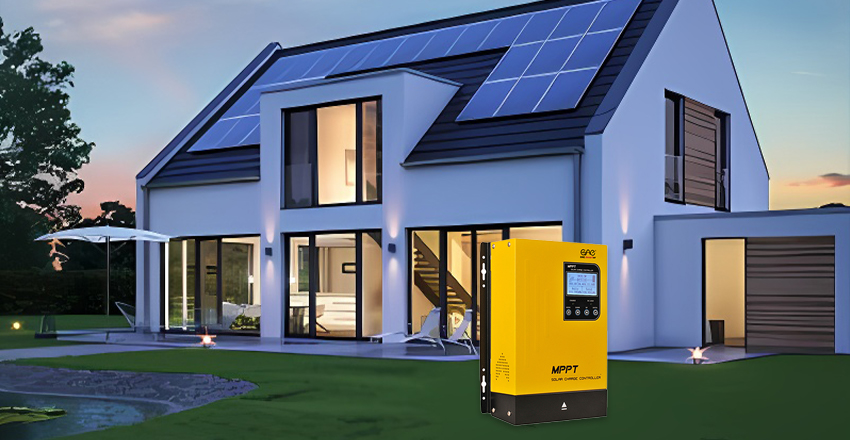
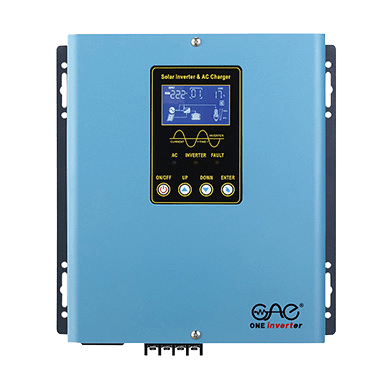
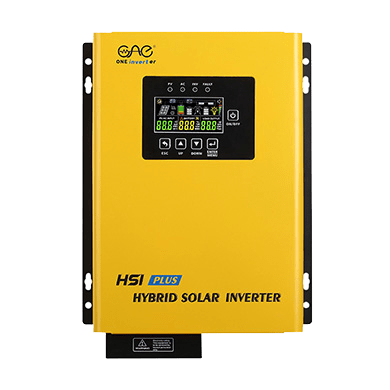
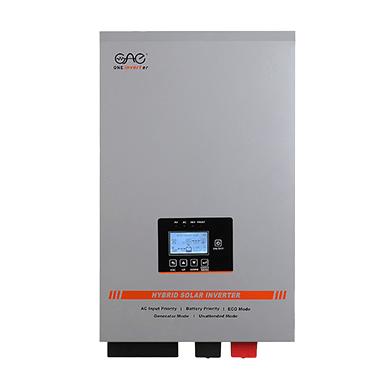
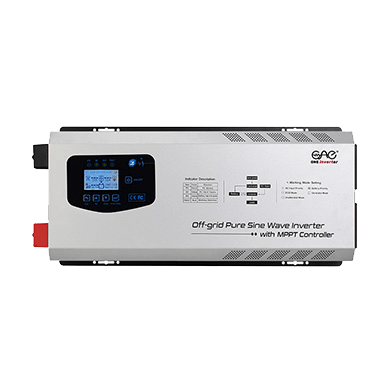
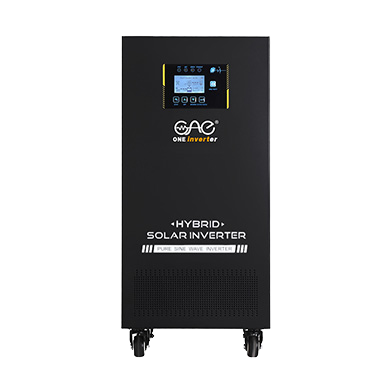
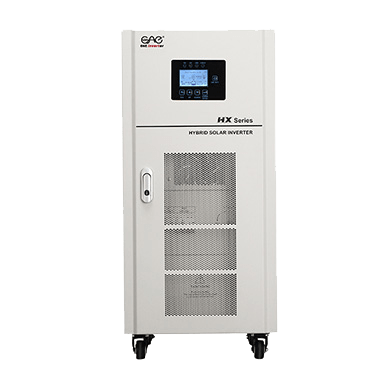
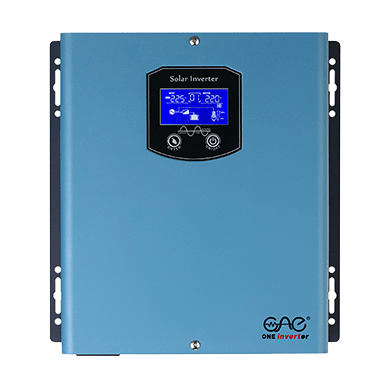
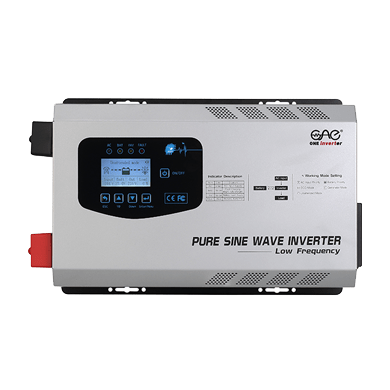
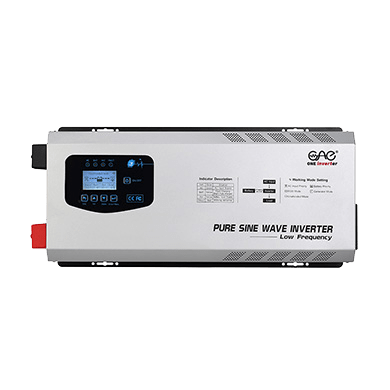
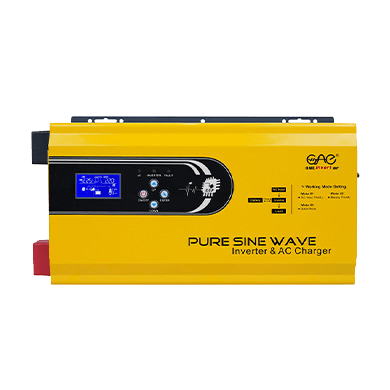
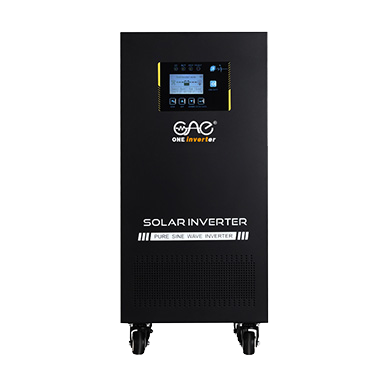
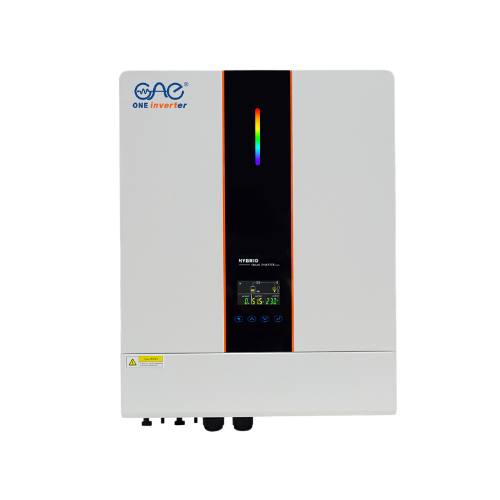
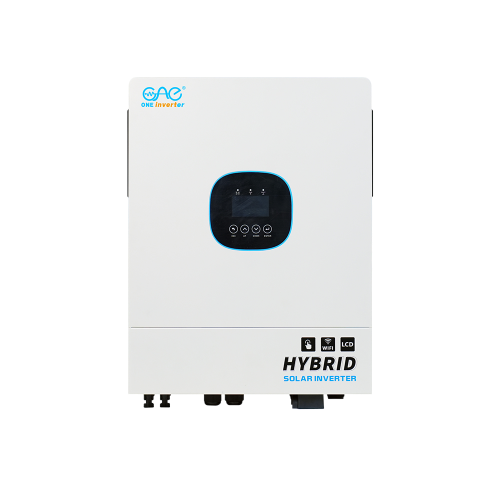
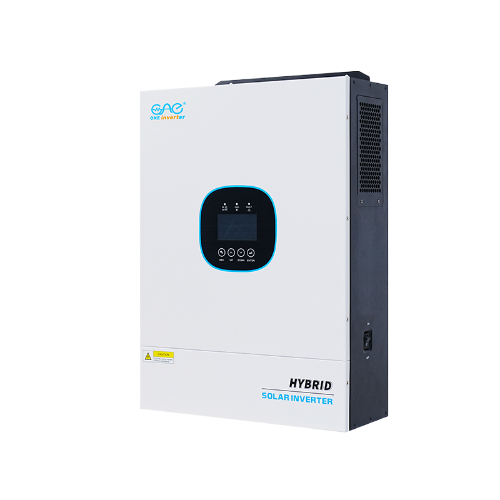
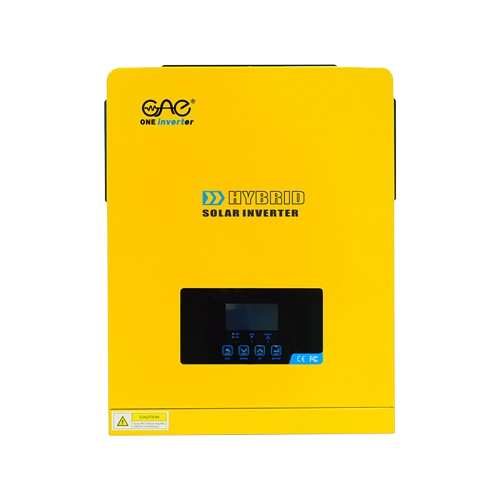
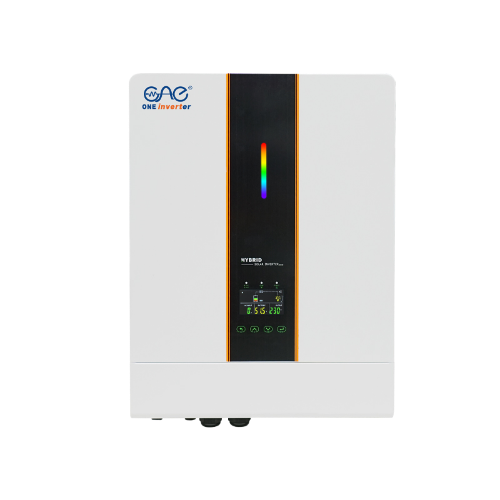
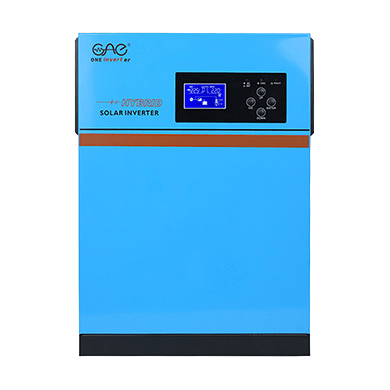
One-inverter’s solar string inverter is a type of central inverter used in solar power systems, where multiple solar panels are connected together in a “string” and the combined DC power is fed into the inverter for conversion to AC power. The inverter then distributes the AC power to your home or the grid. String inverters are usually installed in a central location, such as a garage or utility room, and manage the power output of an entire array of solar panels.
Solar string inverters are generally more affordable compared to other types of inverters, such as microinverters or power optimizers. They provide an excellent balance between performance and cost, making them ideal for residential installations where budget considerations are important. By offering reliable energy conversion at a lower price, string inverters make solar energy more accessible to homeowners.
String inverters are known for their straightforward installation process and simplicity in design. Since there is only one central inverter managing the entire solar array, the system is less complex than systems with multiple microinverters. Fewer components mean fewer chances for system malfunctions, making string inverters a reliable choice for homeowners seeking a low-maintenance solution.
With a solar string inverter, there is only one point of contact for maintenance and monitoring. This centralization makes it easier to troubleshoot and fix issues. Most string inverters come with built-in monitoring systems that allow homeowners to track the performance of their solar panels, helping them quickly identify any drops in efficiency or faults in the system. This simplicity is particularly beneficial for residential users who may not have advanced technical knowledge.
Solar string inverters are highly scalable. If you decide to expand your solar system in the future by adding more panels, you can easily integrate them into the existing string configuration. Unlike microinverters, which require a separate inverter for each panel, string inverters can manage larger arrays efficiently, giving homeowners the flexibility to add additional panels as energy demands grow.
String inverters are well-suited for residential homes with larger solar arrays. Because they manage the entire array as a single unit, string inverters are particularly effective in situations where the roof area is big and the homeowner wants to maximize energy production. These inverters are capable of efficiently handling high-power outputs, making them ideal for homeowners who need a significant amount of power.
The basic operation of a solar string inverter is fairly simple. Solar panels generate DC electricity when exposed to sunlight, and this electricity is then sent to the string inverter. The inverter converts the DC electricity into AC electricity, which can be used to power household appliances or fed back into the electrical grid. If the solar system is connected to the grid, any excess power can be sold to the utility company, potentially earning credits or payments for the homeowner.
One thing to note about string inverters is that they are not as effective when individual panels are shaded or misaligned. Since all the panels in a string are connected in series, the performance of the entire string can be affected by shading on even one panel. However, this is typically only a concern if the installation is done in an area with frequent shading. In such cases, homeowners can use power optimizers or microinverters to maximize energy output from individual panels.
Solar string inverters are an excellent choice for residential solar systems, offering homeowners an affordable, reliable, and scalable solution for harnessing solar energy. With their ease of installation and maintenance, cost-effectiveness, and long-term durability, string inverters are an ideal option for homeowners looking to invest in a solar power system. While they may not be the best solution for systems with complex shading issues, their benefits make them the preferred choice for most residential installations. By choosing a high-quality string inverter, homeowners can enjoy the benefits of clean, renewable energy for many years to come.
PRODUCTS
APPLICATIONS