.png)
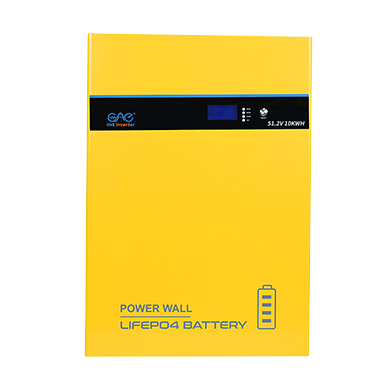
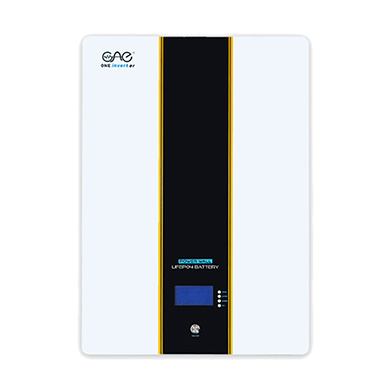

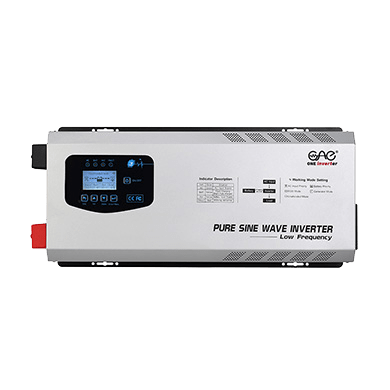
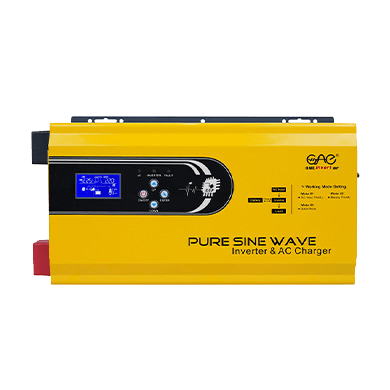
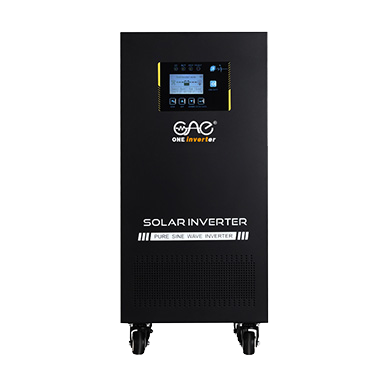
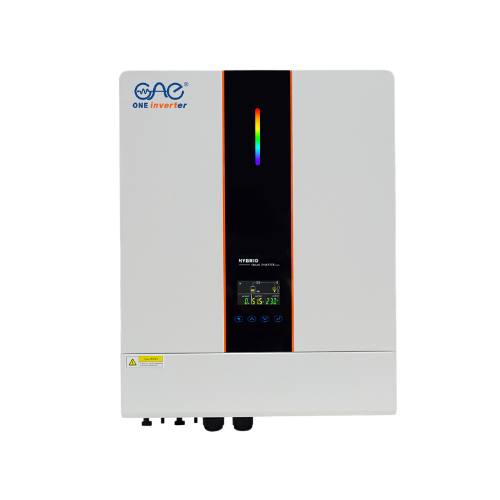
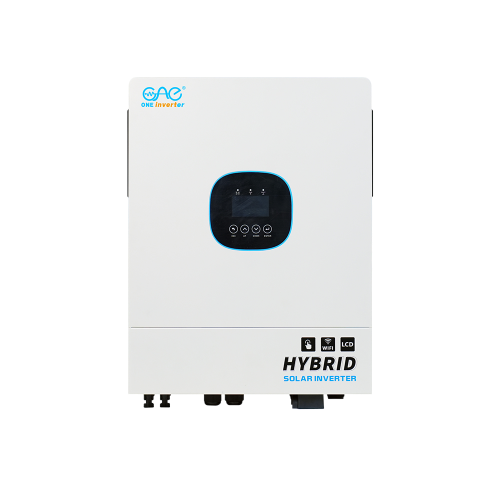
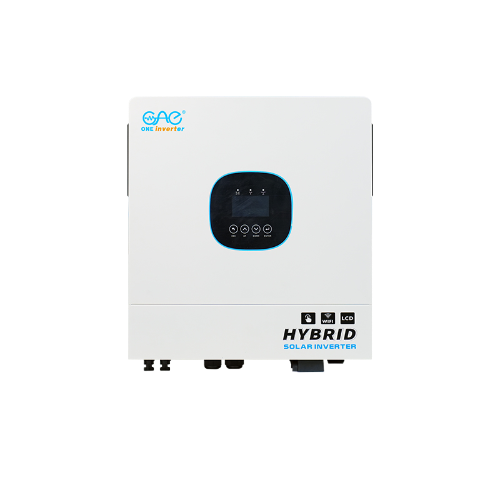
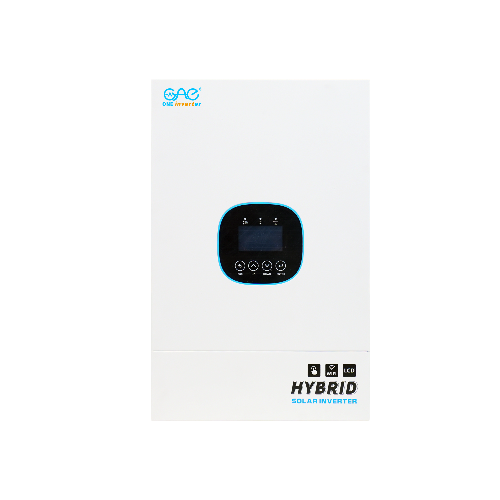
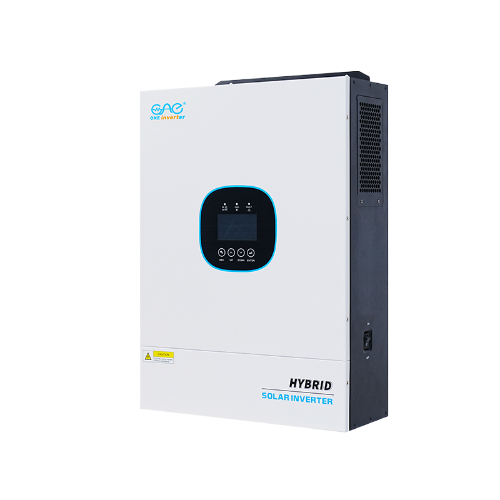
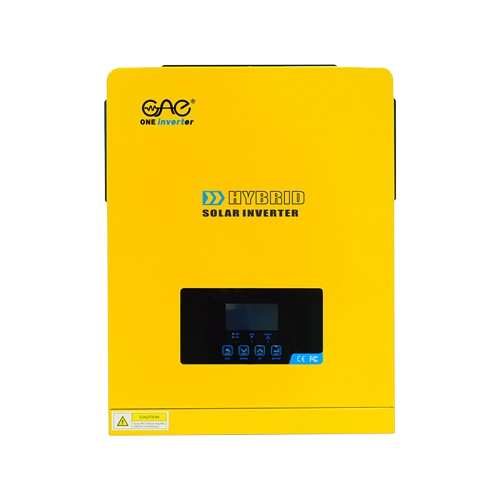
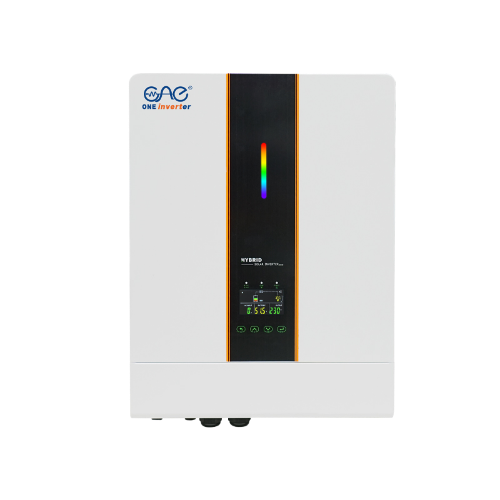
With the increasing popularity of renewable energy solutions, solar energy has become a prime choice for homeowners looking for sustainable and cost-effective ways to generate electricity. Solar panels capture sunlight and convert it into electricity, but the role of solar inverters is just as important to ensure that this electricity is available for everyday household needs. A solar panel inverter is a device that converts direct current (DC) generated by solar panels into alternating current (AC), the type of power supply used by most household appliances. In other words, it is a key link in making solar energy available for home use.
Solar panel inverters are designed to convert direct current generated by solar panels into alternating current. The process of solar power generation begins when sunlight hits the solar panel, and the photovoltaic cells on the solar panel generate electricity in the form of direct current. However, the electricity provided by solar panels cannot be used directly for most household devices because they use AC power.
This is where solar inverters come in. Inverters convert direct current into alternating current, making the energy generated by solar panels compatible with household appliances such as lights, refrigerators, air conditioners, computers, etc. Without inverters, solar power would not be available for home applications.
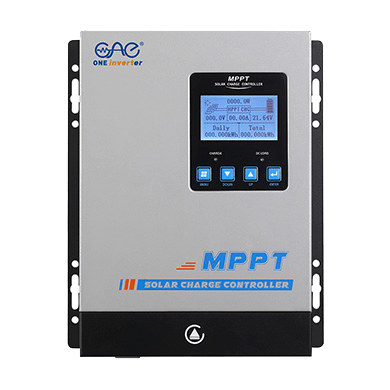
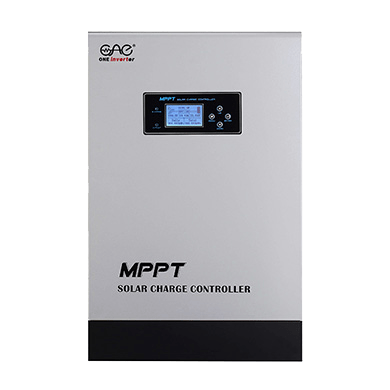
Our solar inverters play several key roles in the solar system, one of which is to maximize the use of the energy collected from the solar system. The maximum power point tracker (MPPT) on most modern inverters is intelligent and adjusts the electrical operating point of the module as the sun moves across the sky.
This is essential to maximize generation and minimize power costs, as MPPT ensures that the inverter works at maximum efficiency under every condition. The inverter is responsible for the overall performance of the solar system by tracking the solar panel output and optimizing the system to extract the maximum available solar energy.
Benefits of Solar inverters: Indirect benefits of solar inverters Solar inverters convert solar energy into usable electricity, making homeowners grid-independent. This is particularly important in areas where electricity prices are high or unstable. When configured properly, solar systems and inverters provide homeowners with the ability to produce nearly all of their energy needs and store energy from the sun for nighttime use and other power-dependent times.
Cost savings: The energy provided by solar reduces the amount of electricity homeowners have to buy from utility providers. Inverters also allow homeowners to maximize the efficiency of their solar panels, thereby reducing their electricity bills. In addition, if homeowners have a hybrid inverter and solar cell system, they can also save energy for use when the solar panels are not generating electricity, such as at night, which also helps reduce dependence on the grid.
Environmental impact: Solar energy is a clean, renewable energy source that does not produce any emissions and therefore helps to reduce the damage to the environment caused by electricity generation. When homeowners use solar power in their homes, they are contributing to reducing greenhouse gas emissions and supporting the transition to a more sustainable energy future.
Monitoring and performance data: Many newer inverters have monitoring systems, and homeowners often use solar power. These systems display real-time data, such as energy production, system health, and more, enabling homeowners to check their system, make sure it’s working perfectly, and get the most out of their investment.
Choosing the right solar inverter depends on several factors, including the size of your solar array, your energy needs, and any specific system functions you may need, such as energy storage or monitoring functions. Homeowners should also consider the inverter’s warranty and service life, as this is a long-term investment. Inverters typically have a service life of 10 to 20 years, so choosing a reliable model from a reputable manufacturer is crucial.
It is also important to evaluate the efficiency level of the inverter, as this will determine how much energy is lost during the conversion process. Inverters with higher efficiency levels will ensure that more of the solar energy generated by the panels is converted into usable electricity.
PRODUCTS
APPLICATIONS